Proper storage, cleaning, and hydration are essential for accurate pH readings and long electrode life. This guide covers everything you need to know to get the most out of your pH electrode.
A pH electrode is a sensitive sensor with a finite lifespan. How you store, clean, and calibrate it directly affects measurement accuracy and how long the electrode lasts. A well-maintained electrode can perform reliably for 12-18 months. A neglected one might fail in weeks.
The most common cause of inaccurate pH readings isn't a faulty instrument — it's a dehydrated or contaminated electrode. The good news is that proper care is simple and takes less than a minute per use.
The glass membrane of a pH electrode must stay hydrated at all times. A dry electrode will give slow, unstable, or inaccurate readings.
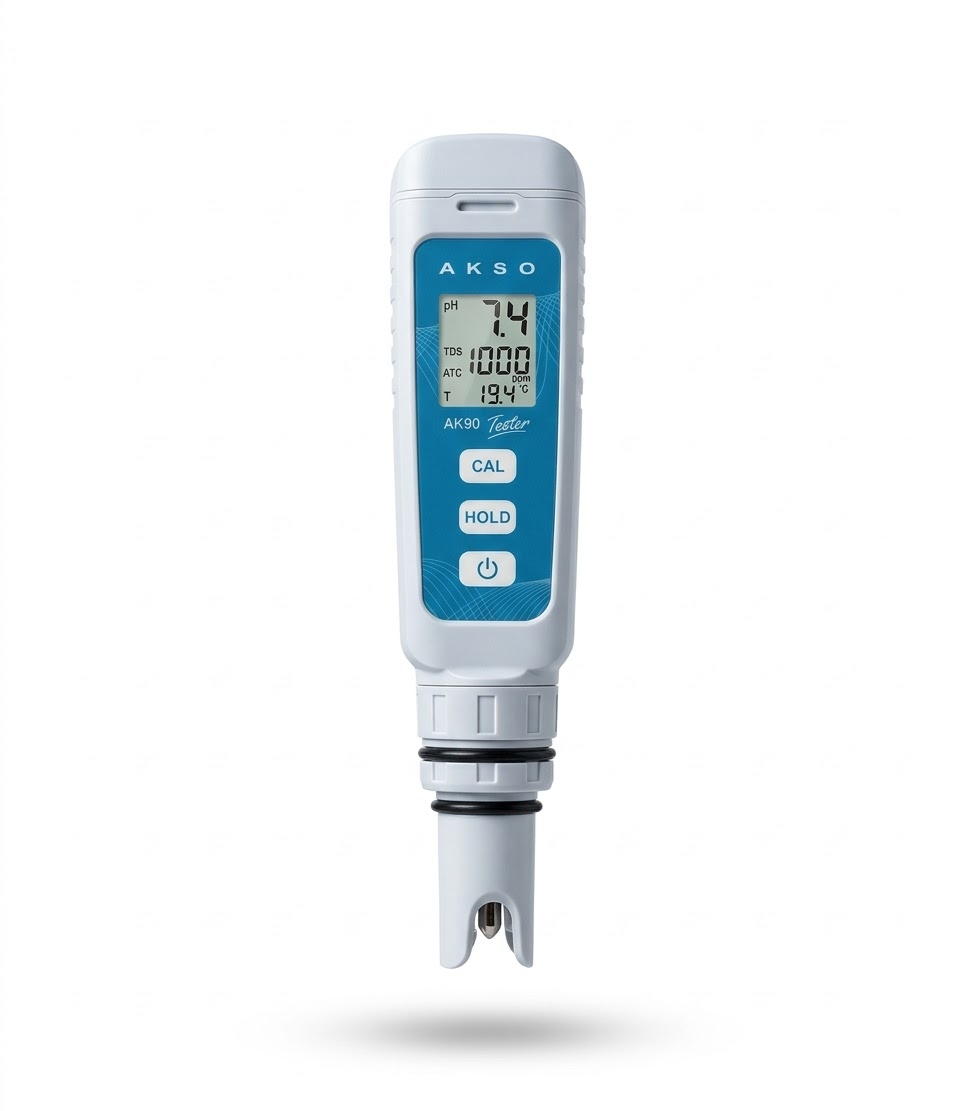
Always store your pH electrode in KCl solution — never in distilled water.
Rinse the electrode with distilled or deionized water before and after each measurement. This prevents cross-contamination between samples.
For stubborn residues:
Never wipe the glass membrane with a cloth or tissue. This creates a static charge that causes unstable readings.
Calibrate at least once per day, or whenever you change the type of sample being measured. For critical applications, calibrate before every measurement session.
Calibration buffers have a shelf life. Once opened, use within 3-6 months. Never pour used buffer back into the bottle.
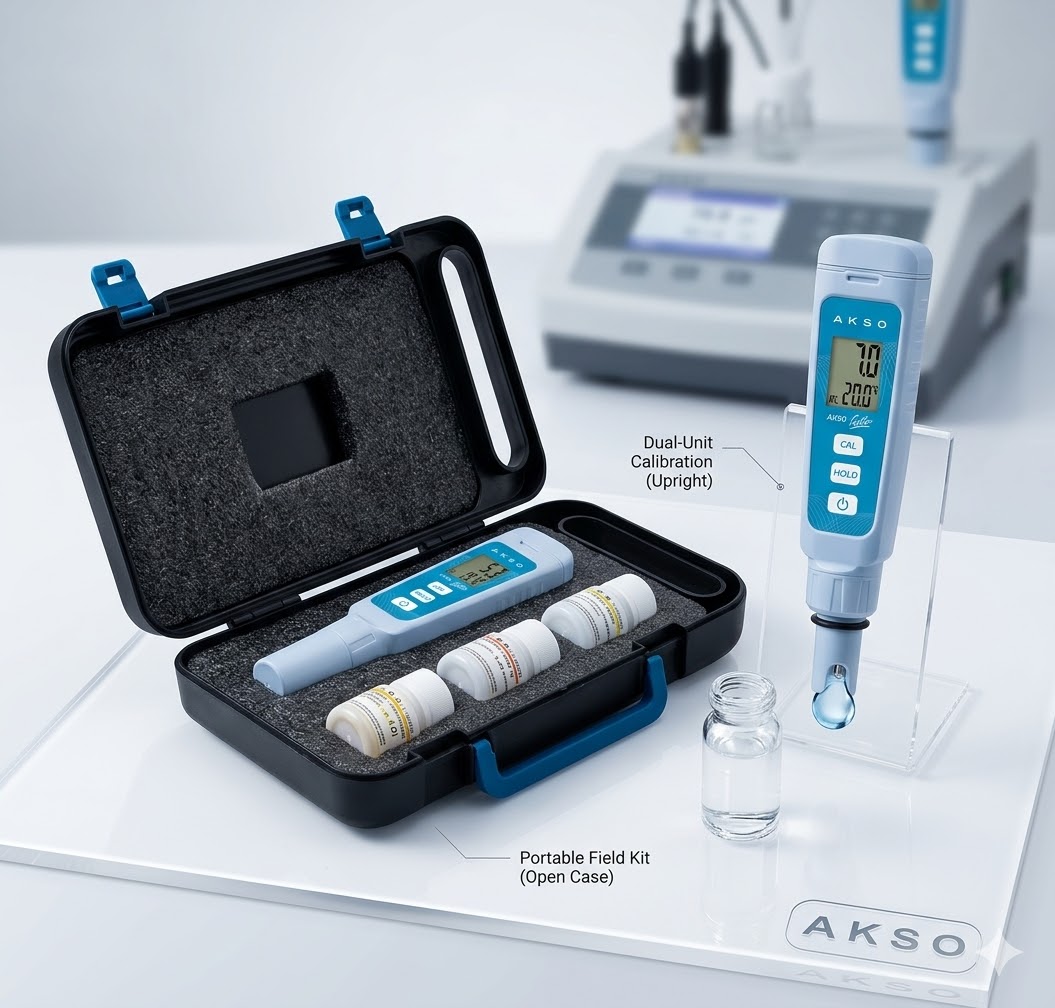
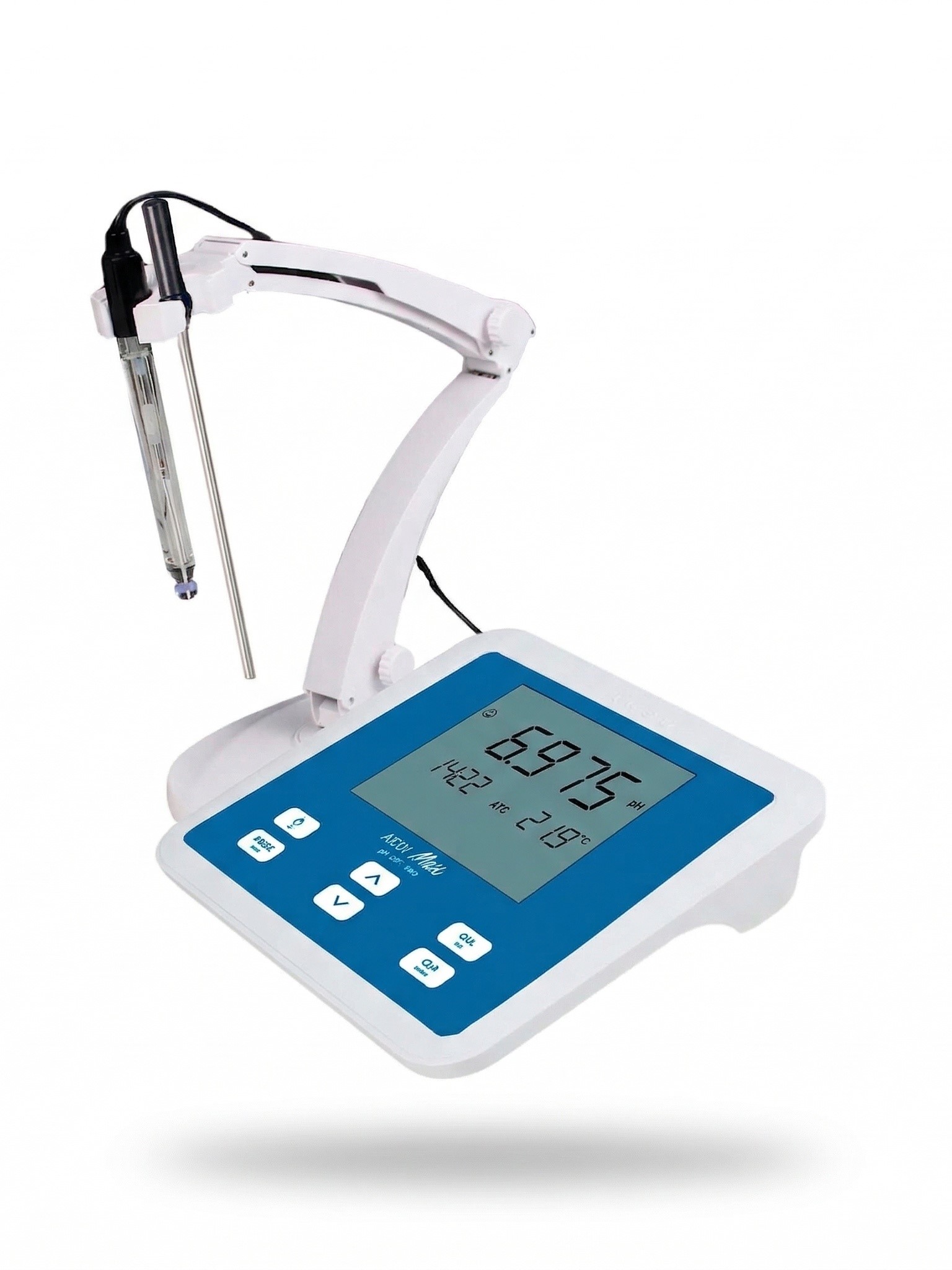
Left: Complete calibration kit with pH 4, 7, and 10 buffers. Right: 3-point calibration on a bench meter.
Even with perfect care, pH electrodes have a limited lifespan. Replace your electrode if you notice:
For electrode maintenance, we recommend:
Need help choosing?
Our team can recommend the right electrode and maintenance products for your application.
Contact us